
ARTICLES
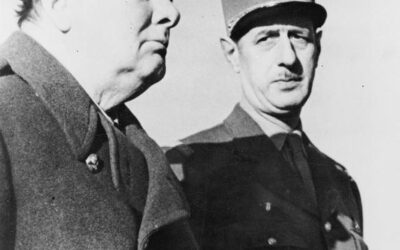
Why Australians (and Brits and Indians, and Free French, and others) fought the French in 1941
In September and October of 1918 Australian and French troops had fought side-by-side against the...
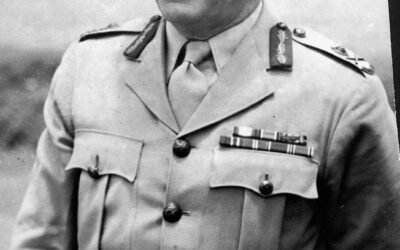
The radical military experiment that created Duntroon
Happy Birthday to the Royal Military College, Duntroon, which turns 115 years old on 27 June....
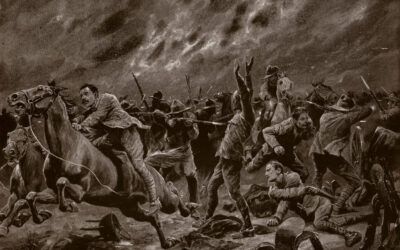
An Australian disaster in South Africa, Wilmansrust 1901
Australian military history often celebrates battlefield success. But this week I want to look at...
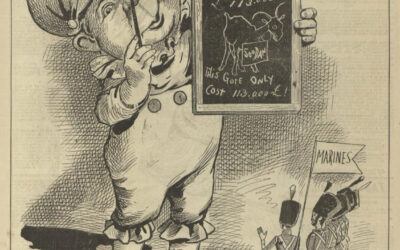
War and the origin of an Australian cartoon icon
Last week’s newsletter used an image of a political cartoon taken from the radical Sydney...
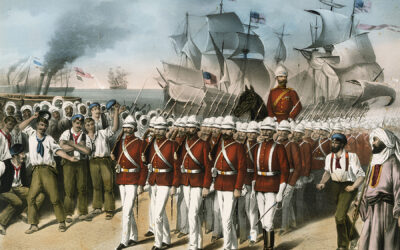
The uncomfortable question beneath Australia’s first overseas war
This time of the year, 141 years ago, the New South Wales Contingent to the Sudan was steaming...
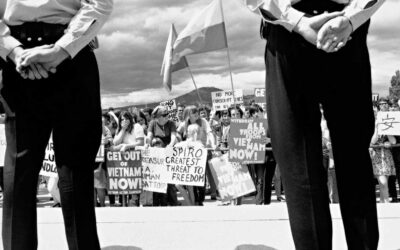
Wars are not always popular
Wars are not always popular, despite claims from governments and rulers that they are just,...
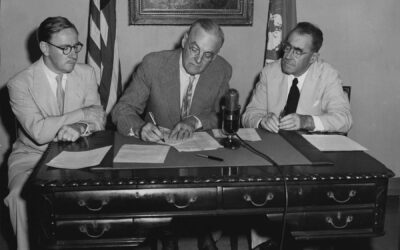
How Australia used two wars to secure a treaty
In late April 1952 the Treaty of San Francisco, which ended the war between Japan and the Allies...
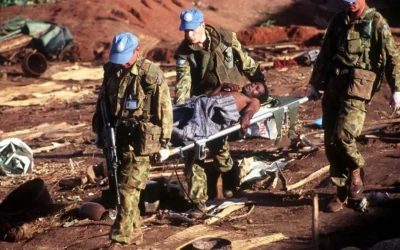
Why didn’t the Australians open fire at Kibeho?
Towards the end of April each year, Australians and New Zealanders mark Anzac Day. It is not the...

War is a Pandora’s Box
Echoes of War is about history, not current events or potential futures. There is no shortage of commentary offering hot takes on what is happening now, what it supposedly means or what future it portends. As Sir Lawrence Freedman, probably among others, has pointed out, history is littered with futures of war. That is, predictions about the future of war are plentiful and always have been. He also pointed out that most of them turned out to be, shall we say, utter balls (my words, not Professor Freedman’s).
History, that is where we live, not the academic discipline, is rather complicated and many, probably almost all, predictions about the future prove well wide of the mark. The accurate ones only seem fully perceptive in retrospect, and even then, the accuracy is likely only partial or reliant on the lens used to examine it.